Commercial Lock Repair for High-Traffic Hardware: Panic Bars, Closers, and Mortise Locks
The three types of hardware that fail most often in Seattle commercial properties are panic bars (also called exit devices), door closers, and mortise lock cases — and they fail for related reasons. All three are engineered for high cycle counts, but the wet, salt-air climate that rolls in off Puget Sound accelerates corrosion inside the mechanism, especially on exterior doors facing west or north. A panic bar that feels 'sticky' or won't fully retract its latch is usually showing early-stage corrosion or a worn push-pad pivot. Left alone, that becomes a code-compliance problem. A door closer that slams or won't hold the door back long enough is a liability issue as much as a hardware one. Our technicians diagnose the actual cause — worn spring tension, a cracked closer arm, a stripped mortise lock cam — rather than defaulting to a full replacement when repair is the right call.
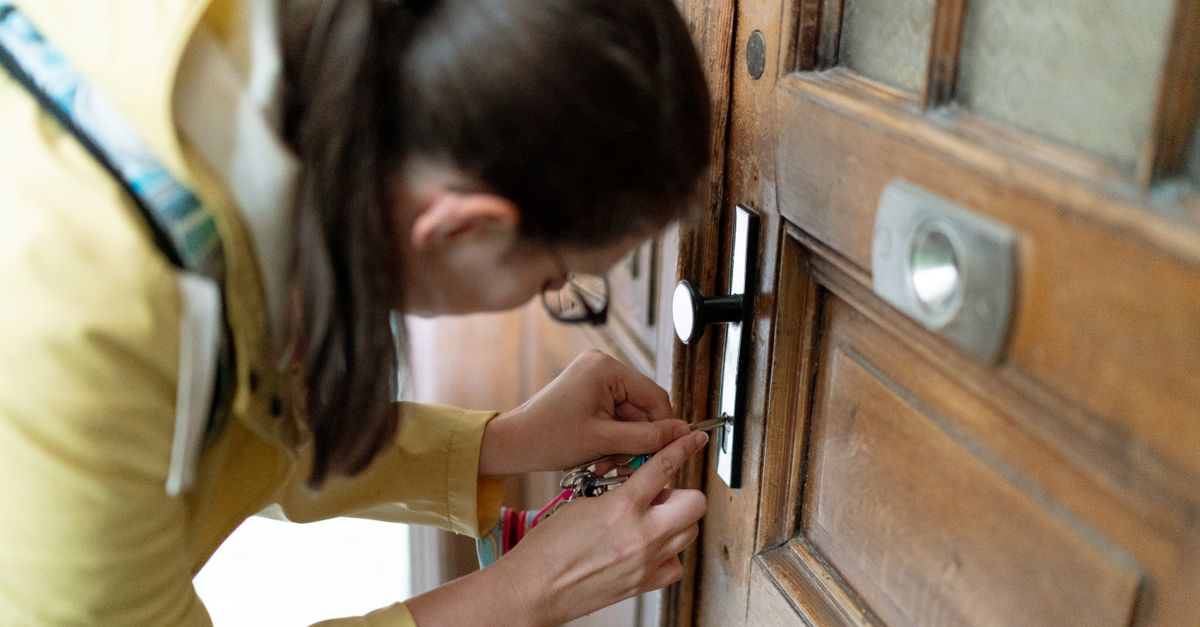
Mortise lock repair is where experience really matters. A mortise lock case sits inside a routed pocket in the door edge, which means disassembly requires removing the cylinder, trim, and sometimes the strike plate before you even see the problem. Common failure points include the deadbolt cam follower, the latchbolt anti-friction piece, and the hub that connects the lever handle to the lock body. We stock replacement internals for the most common commercial mortise lock formats and can rebuild a case on-site in most situations, avoiding the cost and delay of ordering a full new unit. For doors where the mortise pocket itself is damaged, we can re-route and install a new case the same visit.