
What a Commercial Locksmith Actually Builds When Designing a Keying Hierarchy
A keying hierarchy is a logical tree structure that determines which key opens which lock. At the top sits the Grand Master Key, capable of opening every cylinder in the system — this is typically held by an owner or head of security. Below that, Master Keys open designated sub-groups, such as an entire floor, a wing, or a department. Change Keys sit at the bottom of the tree and open only one specific lock. A well-designed commercial locksmith engagement maps your building's physical layout against your organizational chart before a single cylinder is pinned. Our technicians conduct an on-site survey, document every door and its access requirement, and produce a keying chart that you approve before any hardware is ordered or modified.
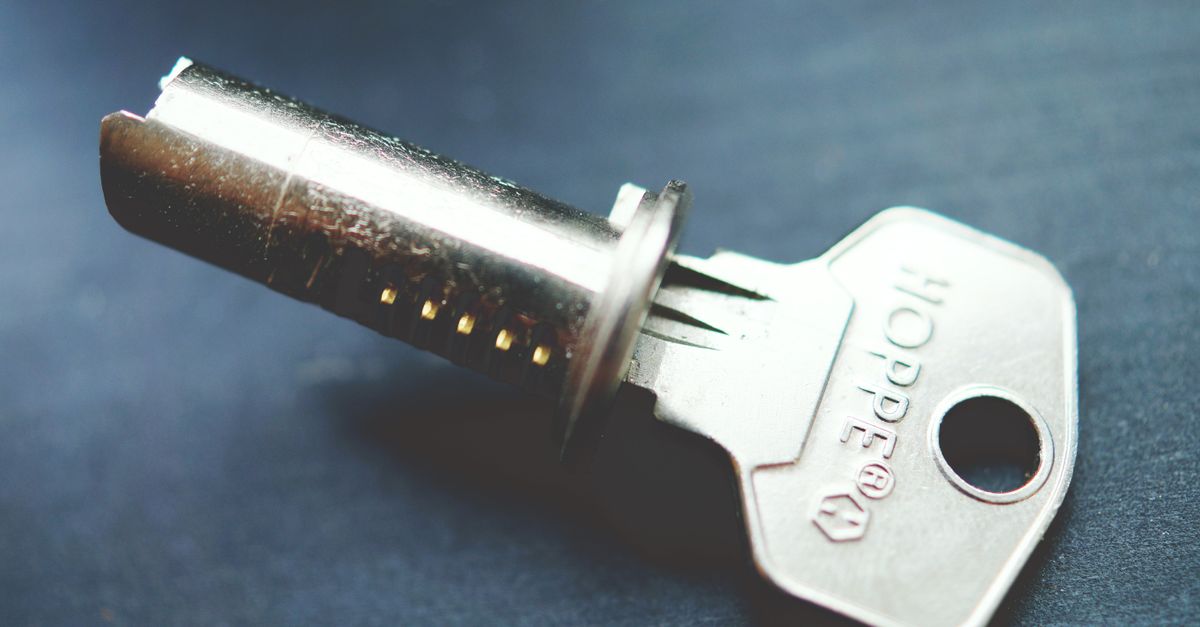
The complexity of the hierarchy determines the type of cylinder platform we recommend. Standard six-pin mortise lock cylinders can support relatively modest systems, but larger properties often call for seven-pin or patented high-security platforms that offer tens of thousands of usable key combinations with restricted keyways — meaning copies cannot be made at a hardware store without your authorization. For Seattle office buildings where employee turnover is routine, restricted keyways are particularly valuable because they close the most common security loophole in conventional keying systems: unauthorized key duplication. We also commonly work with door knob lock sets on interior office doors and integrate those into the same hierarchy so the building presents a single unified access structure rather than a patchwork of unrelated locks.