Seattle Pro Locksmiths Service Team
Local locksmith team
Jul 31, 2026 11 min read
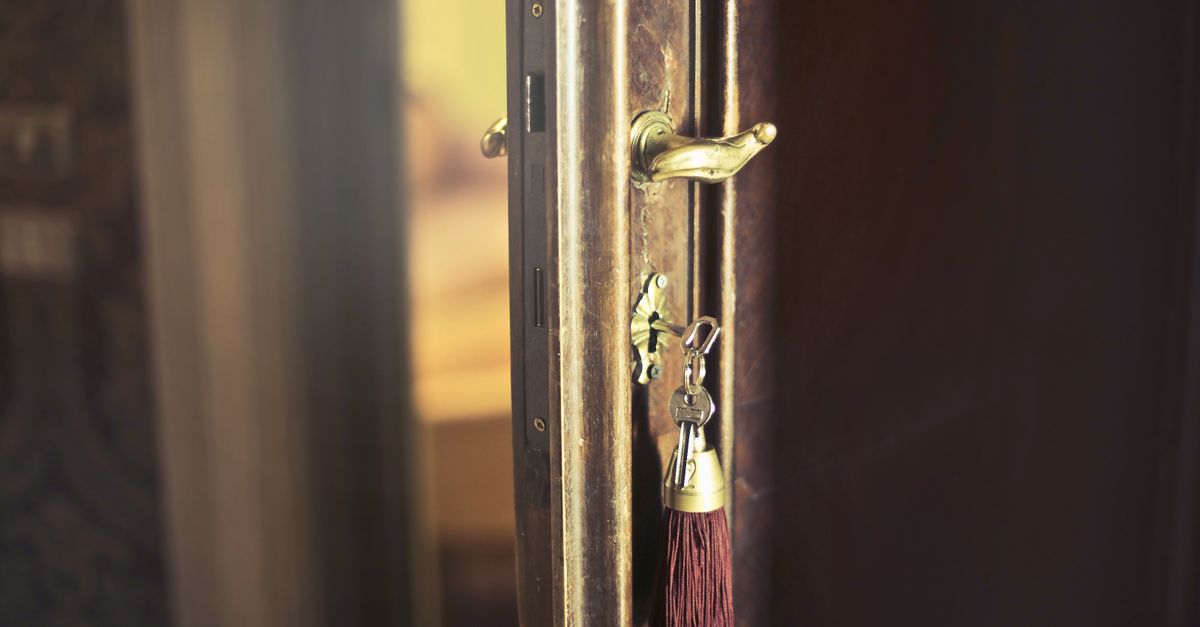
If you've ever moved into a vintage Craftsman bungalow in Wallingford, a turn-of-the-century Victorian in Capitol Hill, or a 1920s foursquare in Madrona, you've probably encountered a mortise lock — that beefy, rectangular mechanism set deep into the edge of your door rather than sitting on top of it like a modern knob or deadbolt. It looks different, it feels different, and when it stops working at 10 p.m. on a rainy Tuesday, it can leave you standing on your porch wondering who on earth you call.
Seattle's older housing stock is rich with these locks, and for good reason. Understanding what a mortise lock actually is, why Seattle builders favored it for decades, and how to keep yours in working order can save you a real headache — and help you make smarter decisions when something goes wrong. At Seattle Pro Locksmiths, our team works with mortise locks on a daily basis, from routine maintenance calls in Fremont to emergency lockouts in Beacon Hill, and we want to give you a genuinely useful resource — not a sales pitch.
## What Is a Mortise Lock, and How Is It Different from a Door Knob Lock?
A mortise lock is a complete locking mechanism housed inside a rectangular metal case — called the mortise body — that is set into a deep pocket (the mortise) cut into the edge of the door. Because the lock body sits inside the door rather than on its surface, it integrates the latch, deadbolt, and sometimes a night latch all in a single unit. What you see on the outside of the door is a trim plate (called an escutcheon), a knob or lever handle, and a keyhole. On older Seattle homes, that keyhole is often a skeleton-key slot, though many have been re-keyed to modern cylinder formats over the years.
Compare that to a standard door knob lock or a cylindrical deadbolt — those are surface-mounted or bored into the door with a hole saw, and the mechanism is largely exposed. They're faster and cheaper to install, which is why they became the builder's default after World War II. But a properly maintained mortise lock is mechanically more robust: it distributes stress across a larger area of the door, the latch and bolt move on proven lever-and-cam geometry, and the hardware is typically thicker brass or steel than you'd find on an entry-level cylindrical lock. For a homeowner with a historic door they want to preserve, replacing a mortise unit with a simple knob lock often means cutting a larger hole — and losing a piece of the door's original character.
## Why Mortise Locks Are So Common in Seattle Craftsman and Historic Homes
Seattle's building boom ran roughly from the 1890s through the early 1940s, and that era's dominant residential architecture — Queen Anne, Craftsman bungalow, Tudor Revival, Colonial Revival — arrived with mortise hardware as the industry standard. Lockset manufacturers of the period produced robust, repairable mortise units as their primary product, and Seattle's builders installed them by the thousands. Walk down any block in Ravenna, Leschi, or Queen Anne today and you'll find front doors still swinging on the same mortise hardware that was there when the house was built.
There's also a practical durability argument. Many of Seattle's older homes have thick fir or cedar doors that were milled from old-growth timber — wood that is dense, dimensionally stable, and almost immune to warping. These doors can support the deep mortise pocket without losing structural integrity, and the lock bodies themselves were built to be serviced rather than replaced. A locksmith working on a mortise lock in a 1918 Craftsman in the University District is often doing the same tasks — lubricating the mechanism, replacing a worn cam, re-keying the cylinder — that a locksmith would have done in 1955. That longevity is part of what makes mortise locks worth maintaining rather than ripping out.
## How to Maintain a Mortise Lock: Practical Steps Every Seattle Homeowner Should Know
Mortise locks are durable, but they are not maintenance-free. The most common issues our team sees on service calls are: a stiff or sticky latch that doesn't spring back cleanly, a key that turns hard or refuses to reach the full rotation needed to throw the bolt, and a loose trim plate that rattles because the set screws have worked themselves out over decades of use. Each of these problems has a straightforward fix — if you catch it early.
Here is what routine care looks like in practice. First, lubricate the lock annually with a dry graphite lubricant or a dedicated lock lubricant — avoid WD-40, which attracts grit and can gum up the internal levers over time. Apply lubricant into the keyhole and work the key several times to distribute it. Second, check the set screws on the trim plate and tighten them gently — over-tightening can crack older brass escutcheons. Third, inspect the strike plate on the door frame: if the latch bolt is scraping or not seating cleanly, the door may have shifted seasonally, and a minor adjustment to the strike plate position will often resolve it without touching the lock body itself. If the key turns but the bolt doesn't engage, or if you hear grinding inside the case, that typically points to a worn cam or a broken lever spring — at that point, call a professional locksmith rather than attempting to disassemble the unit yourself, because the internal geometry of mortise lock cases varies significantly between manufacturers and eras.
## When to Call a Professional Locksmith: Lockouts, Re-Keying, and Upgrades
There are really three situations where you need a skilled locksmith — not a general handyman — specifically for mortise lock work. The first is a lockout. If you are locked out of your home and the door has a mortise lock, do not attempt to force the door or improvise entry tools. Check whether a window or back door is accessible first, and whether a trusted neighbor or family member holds a spare key. If neither option is available, call a professional. Our team at Seattle Pro Locksmiths responds to emergency locksmith calls across Seattle around the clock — we're mobile, so we come to you whether you're in SoDo, Shoreline, or anywhere in between. Factors that affect your service quote include the lock type, time of day, and travel distance; we always confirm an exact up-front price before any work begins, so there are no surprises on the invoice.
The second situation is re-keying or cylinder replacement. If you've just moved into an older Seattle home, you have no reliable way of knowing how many copies of the original key are floating around the neighborhood. A locksmith can re-key the cylinder — resetting the internal pins so only your new keys will work — without replacing the entire mortise body. This is almost always the right call after a home purchase, a tenant change, or a lost key. The third situation is an upgrade: many homeowners with mortise locks want to add a modern high-security cylinder, a bump-resistant keyway, or even a smart lock adapter while keeping the original trim and escutcheon intact. A locksmith experienced with historic hardware knows which cylinder formats are compatible and how to fit them without damaging irreplaceable woodwork. If you have questions about your specific lock, we're happy to advise — call (206) 483-2876 and we'll talk you through your options before you commit to anything.
## Beyond the Front Door: What a Locksmith Does for Your Whole Property
A common misconception is that locksmiths are only for lockouts. In reality, a full-service locksmith covers a wide range of residential, auto, and commercial needs — all of which Seattle Pro Locksmiths handles from our mobile units. For homeowners, that means mortise lock service, deadbolt installation, door knob lock replacement, re-keying, master key systems, sliding door lock upgrades, window lock installation, mailbox lock replacement, garage side door hardware, and safe opening or combination changes. For drivers, it means car key cutting, transponder key programming, key fob replacement, ignition repair, and emergency vehicle lockout service. For businesses — from Capitol Hill cafés to Ballard warehouses — our commercial locksmith work includes access control installation, panic bar hardware, high-security deadbolts, keypad entry systems, master key suites, and after-hours emergency locksmith response when a broken lock leaves a commercial space unsecured overnight. Whether the job is a century-old mortise lock in a Wallingford Craftsman or a modern electronic access panel in a South Lake Union office building, our experienced team has the tools and the training to handle it. We are insured and available 24/7 — auto, home, and commercial, all covered promptly, efficiently, and securely.
## Choosing the Right Locksmith Seattle: What to Look For and What to Ask
Seattle has no shortage of people willing to show up with a tension wrench, but experience with historic and mortise lock hardware specifically is not universal. When you're evaluating who to call, ask directly whether the technician has hands-on experience with mortise lock bodies — not just cylindrical locksets. Ask whether they carry mortise-compatible cylinder blanks and replacement parts in their vehicle, because a technician who has to order parts means a second visit and a longer wait. Ask how pricing works and confirm that you will receive an exact quote before work starts. The factors that shape a locksmith's quote are legitimate and reasonable: the lock type and complexity, the time of day (overnight emergency calls involve different logistics than a noon appointment), travel distance within the service area, and whether replacement parts are needed. A straightforward, transparent answer to those questions is a good sign you're dealing with a professional team.
At Seattle Pro Locksmiths, we're based to serve the greater Seattle area — from downtown and Capitol Hill out to Bellevue, Renton, and Shoreline — and we stay mobile so we reach you quickly wherever you are. If you've been wondering what a locksmith does, the honest answer is: quite a lot, and when it comes to the distinctive hardware found in Seattle's historic homes, we do it with real respect for the craftsmanship that went into those doors in the first place. Call us any time at (206) 483-2876 — we answer 24 hours a day, 7 days a week.
Frequently asked questions
How much does a locksmith cost in Seattle?+
There is no single flat rate because several variables shape every job: the type of lock involved (a mortise lock body is more labor-intensive than a standard deadbolt), the time of day (an emergency locksmith call at 2 a.m. involves different logistics than a scheduled afternoon appointment), travel distance within the Seattle area, and whether replacement parts or a new cylinder are needed. At Seattle Pro Locksmiths, we confirm an exact up-front price before any work begins — you know the full cost before we touch your door, with no hidden fees added at the end.
What is the average call-out fee for a locksmith in Seattle?+
Call-out or dispatch fees vary by company and depend on factors like travel distance and time of day, so quoting an "average" can be misleading — the number you see advertised is rarely the final price. The most important question to ask any locksmith before they arrive is: will you confirm a total price before starting work? At Seattle Pro Locksmiths, the answer is yes, always. We factor in the specifics of your situation and give you a clear quote up front.
My old Seattle home has a mortise lock and I've lost my key — can you re-key it without replacing the whole unit?+
In most cases, yes. Re-keying a mortise lock means replacing or repinning the cylinder so that only your new key operates it, while leaving the original mortise body, escutcheon, and trim hardware completely intact. This is almost always the right approach for historic Craftsman and Victorian-era doors, where the original hardware is both aesthetically valuable and often quite robust. Our locksmiths carry a range of mortise-compatible cylinder formats and can typically complete a re-key in a single visit.
What should I do if I'm locked out of my home and the door has a mortise lock?+
First, check all other potential entry points — a back door, a garage entry, or an accessible window — and confirm whether a trusted family member or neighbor holds a spare key. If those options are exhausted, call a professional locksmith rather than attempting to force the lock or door yourself. Forcing a mortise lock door can damage the door frame, the lock body, and the original woodwork in ways that are expensive to repair on a historic home. Seattle Pro Locksmiths provides 24/7 emergency locksmith service across the Seattle area — call (206) 483-2876 and we'll get a technician to you promptly.